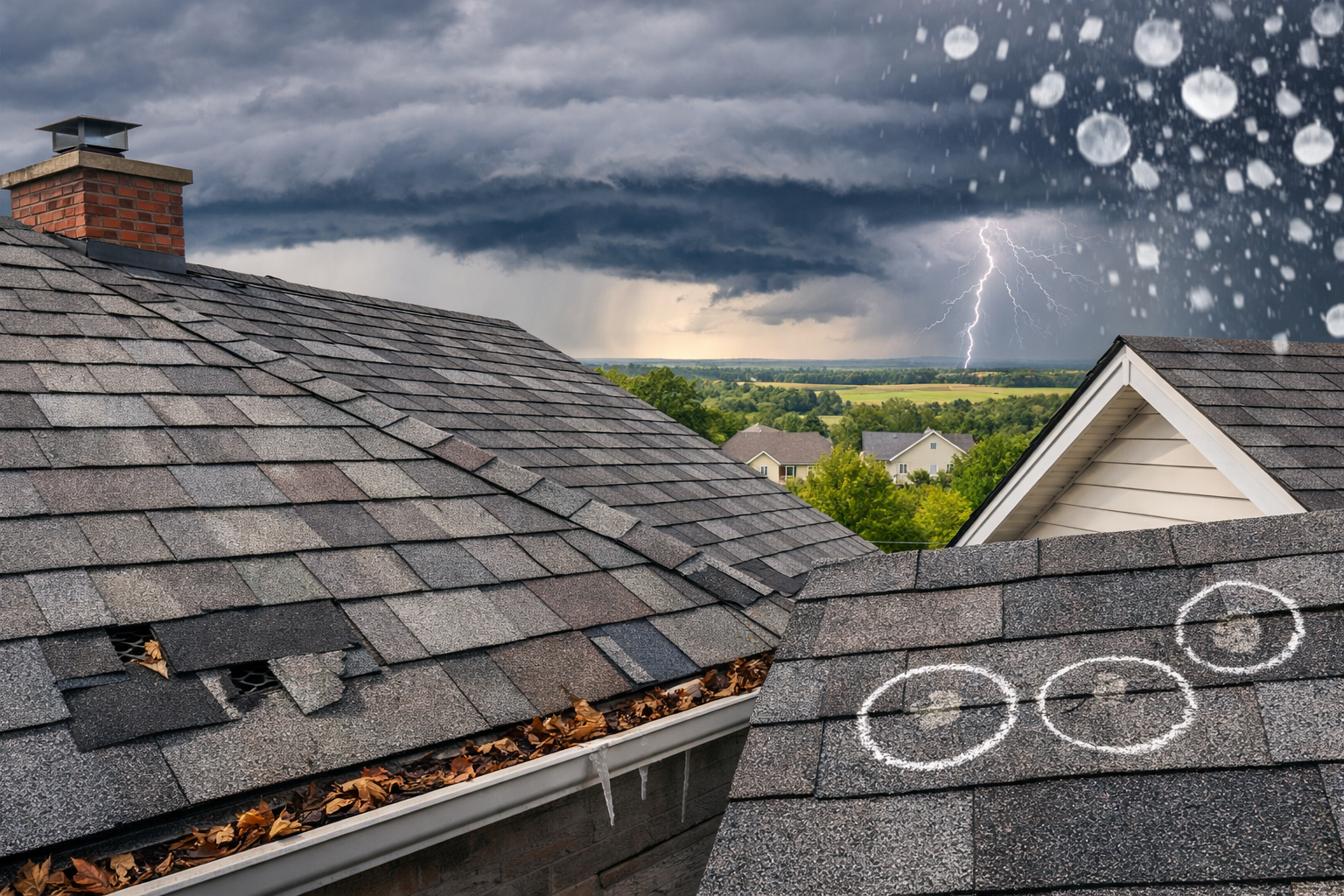
March Exterior Home Inspection Guide: How to Spot Damage After Midwest Winter & Storms
A step-by-step checklist for Midwest homeowners to identify roof, siding, and window damage after winter—and before spring storms make it worse.
As winter transitions into spring across Illinois and Missouri, March is one of the most important times of year to evaluate your home’s exterior. Months of freezing temperatures, snow accumulation, and harsh winds can cause hidden damage that often goes unnoticed until it becomes a costly problem.
For Midwest homeowners, a detailed exterior inspection in March helps identify winter-related issues early and prepares your home for the upcoming storm season. This guide will walk you through exactly what to look for and how to perform a proper post-storm inspection.
Why March Is the Best Time for an Exterior Inspection
March is unique because it sits between two critical periods:
- End of winter damage accumulation
- Beginning of spring storm season
In the Midwest, your home has just endured:
- Freeze-thaw cycles that expand and contract materials
- Ice buildup and potential ice damming
- Heavy snow loads
- Early spring wind and hail storms
Catching damage now prevents:
- Water intrusion
- Structural deterioration
- Expensive emergency repairs later in the year
omplete Exterior Home Inspection Checklist
Roof Inspection
Your roof is the most exposed part of your home and typically takes the most damage during winter.
What to Look For:
- Missing or blown-off shingles
- Curling or cracked shingles
- Granule loss (check gutters and downspouts)
- Soft spots or sagging areas
- Damaged flashing around chimneys, vents, and skylights
Midwest-Specific Issue:
Ice dams can force water under shingles, leading to leaks that may not show up until months later.
Siding Inspection
Siding plays a critical role in protecting your home from moisture and weather exposure.
What to Look For:
- Cracks or splits from cold temperatures
- Loose or detached panels
- Warping or bubbling
- Hail dents or impact marks
- Fading or discoloration
Why It Matters:
Damaged siding can allow water to penetrate behind your walls, leading to mold, rot, and insulation damage.
Window Inspection
Windows are one of the most common sources of energy loss and can deteriorate quickly after winter.
What to Look For:
- Drafts or noticeable temperature differences
- Condensation between glass panes
- Cracked glass or damaged frames
- Difficulty opening or closing
- Worn or cracked caulking
Key Insight:
Inefficient windows can significantly increase heating and cooling costs if not addressed.
Gutters & Drainage
Gutters are essential for directing water away from your home.
What to Look For:
- Clogged gutters filled with debris
- Sagging or detached sections
- Improper drainage or pooling water near foundation
- Damage from ice buildup
Risk:
Poor drainage can lead to foundation issues, basement leaks, and long-term structural damage.
Structural & Trim Areas
Don’t overlook these important areas:
Check:
- Fascia and soffit for rot or holes
- Trim boards for cracking or peeling paint
- Foundation for cracks or water pooling
- Decks and porches for signs of wear
Post-Storm Damage Checklist (Step-by-Step)
After any major storm, you should perform a focused inspection to identify new damage.
Step 1: Ground-Level Inspection
Look For:
- Shingles or siding pieces in your yard
- Fallen branches or debris
- Damage to nearby homes
If your neighbors have damage, there’s a strong chance your home does too.
Step 2: Roof Damage Check
Signs of Damage:
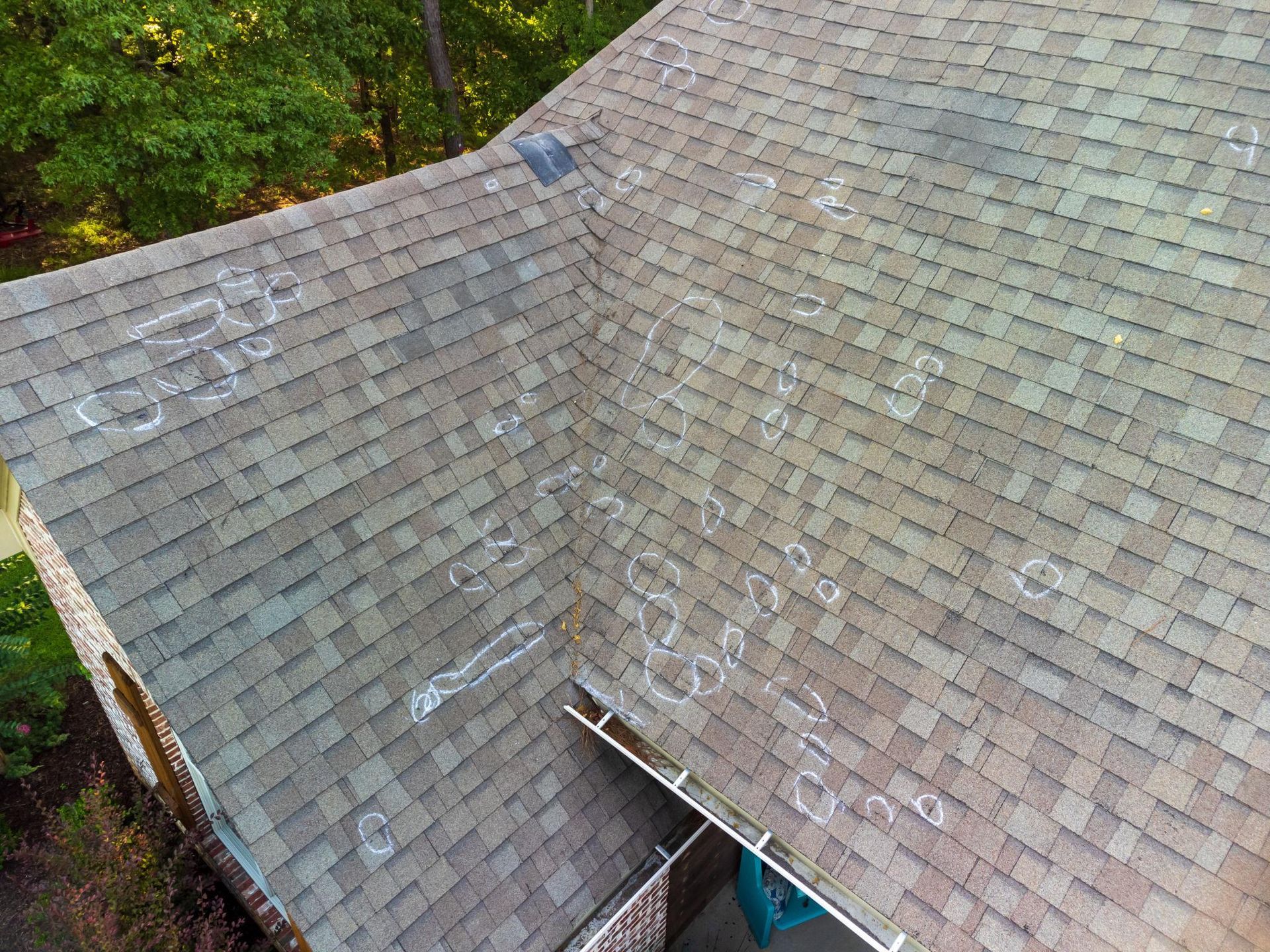
- Dark spots or bruising from hail
- Missing shingles
- Lifted or creased shingles
- Exposed roofing materials
Even minor damage can shorten the lifespan of your roof significantly.
Step 3: Siding Damage Check
Look For:
- Dents from hail impact
- Cracks from wind-driven debris
- Panels pulled loose by strong winds
Step 4: Windows & Glass
Check For:
- Cracks or chips
- Broken seals (foggy glass)
- Water intrusion
Step 5: Interior Warning Signs
Sometimes damage isn’t obvious from outside.
Check Inside For:
- Ceiling stains
- Bubbling or peeling paint
- Moisture in attic spaces
When to Call a Professional
You should schedule a professional inspection if:
- Your area experienced hail or strong winds
- You notice missing roofing or siding materials
- You suspect hidden damage
- You are considering filing an insurance claim
A professional can:
- Identify damage you may miss
- Document issues for insurance
- Recommend the best course of action
Insurance Considerations
Timing matters when it comes to storm damage claims.
Important Points:
- Most policies have time limits for filing claims
- Damage must be properly documented
- Delays can result in denied claims
Getting an inspection soon after a storm increases your chances of a successful claim.
Preventative Maintenance Tips
Roofing
- Schedule annual inspections
- Address minor issues before they worsen
Siding
- Repair cracks or loose panels quickly
- Consider insulated siding upgrades
Windows
- Replace failing seals early
- Upgrade to energy-efficient models when needed
Gutters
- Clean regularly
- Ensure proper drainage away from foundation
Why This Matters for Midwest Homeowners
Homes in Illinois and Missouri are exposed to:
- Extreme temperature swings
- Frequent storms
- High winds and hail
Ignoring small issues now often leads to:
- Major repairs later
- Interior water damage
- Higher energy bills
Final Thoughts
March is your opportunity to get ahead of problems before spring storms make them worse. A thorough exterior inspection and a clear post-storm checklist can protect your home, your finances, and your peace of mind.
Schedule Your Exterior Inspection
If you’re in the Peoria, IL or St. Charles, MO area, now is the time to schedule a professional inspection. Catching issues early can save you thousands and ensure your home is fully protected heading into storm season.
Sources
- https://www.weather.gov/safety
- https://www.fema.gov
- https://ibhs.org
- https://www.energy.gov
- https://www.energystar.gov
- https://www.nrca.net
- https://www.iii.org
Explore Further